We understand that seeing treatment signs around your lake or pond can raise questions. This page is here to provide clarity, answer common concerns, and explain why these treatments are necessary.
Our goal is always the same: protect your community’s water, support a healthy ecosystem, and do it all with safety and transparency at the forefront.
Take a moment to explore our FAQs—we’ve addressed many of the most common questions about our treatment process, safety, and the steps we take to care for your environment.
FAQs
Is the treatment safe?
A: Yes, all herbicides and/or algaecides we use are EPA and state approved for use in pond, lakes, and wetlands. The registration process for aquatic herbicides and algaecides is extremely strict, much stricter than anything you’d find on the shelf at your local hardware store. These products are typically applied at parts per billion concentrations. A part per billion is equivalent to a drop of herbicide/algaecide for every billion drops of water. The products we use inhibit the photosynthesis process in one way, shape, or form.
Will this treatment harm fish or wildlife?
No, these products are safe for fish and wildlife. We are typically involved in a project to either control invasive or nuisance species which do not provide beneficial wildlife habitat. The species we target outcompete beneficial native species and have the ability to disrupt the physical structure of the ecosystem and food webs, as well as reducing water quality, and more. Some of our treatments target potentially toxic algae, so we improve public health by controlling these potentially harmful algal species. In either case, our goal as scientists is to improve the habitat for fish and wildlife.
Did you consider other options?
Prior to any management, we collect and analyze data. Following this data collection, a thorough alternatives analysis is conducted. Water & Wetland is a full-service lake management company. We offer surveys, water quality analysis, mechanical options, full-service pond and lake dredging, manual plant removal, biological controls, fountains and aeration, treatments, and more. Each of these options are considered with every project. Consideration is given to target species, non-target species, selectivity provided, how the target and non-target plants reproduce, plant densities and cover, and more. All our programs take an integrated approach which includes surveys, some degree of water quality, and typically multiple management techniques.
Do you need a permit?
We have obtained all necessary permits with local, state, and federal agencies, as applicable to the specific location and project. New England is highly regulated when it comes to pond and lake management, and we are certain to follow all appropriate policies closely.
I didn’t see your sign and I went swimming, what should I do?
Our company policy is to close down the lake or pond to all recreation during the day of treatment only. Swimming, boating, and fishing are NOT restricted on the product labels of the products we use. The sole reason for the one-day recreational restriction is to keep lake users out of the way during the actual treatment process. The last thing we’d want to do is hit someone with one of our boats. Given all of the above, it’s perfectly safe if you swam, fished, or boated prior to the restriction period on the poster ending.
The treatment poster included an irrigation restriction, can I irrigate?
The posters include the restrictions consistent with the product label of whichever product(s) we used for the specific treatment. Keep in mind that these products inhibit photosynthesis in plants and therefore the treated water may impact plants/grass you irrigate with treated water. This restriction only applied to water directly drawn from the pond or lake and does not apply to your public water supply, well, etc. If you use lake or pond water for irrigation, we recommend not using this water for irrigational purposes until the restriction has been lifted.
Will my well water be impacted by the treatment?
No, well water will not be impacted. This is reviewed during the permitting process in many cases. The product labels we use may have restrictions specific to setbacks from potable water intakes, this is different from a well. Some of the products we use are actually NSF approved for direct application to drinking water.
Are you licensed to perform this work?
Yes, all of the staff at Water and Wetland are licensed through the local state authority to apply pesticides on behalf of the lake owner. Our teams have gone through extensive trainings and passed appropriate exams to acquire the licenses needed to apply these products. These trainings ensure that the applications are performed in a safe manner for applicator, the lake owner, the public, and the environment.
Can I treat my lake myself?
Typically, no. Herbicide and algaecide treatments in New England are highly regulated and require extensive licensing, training, and permits. We recommend contacting a professional for help managing your lake or pond. We are happy to help, feel free to give us a call to discuss further. We’ve also provided some educational resources below.
Guided by Science. Grounded in Responsibility.
Our team follows all federal, state, and local regulations when planning and performing any treatment. Every decision is made using science-driven strategies, ensuring the most effective and least disruptive solution for your waterbody.
We recognize that every pond, lake, and wetland is unique. That’s why we assess each site individually and choose from a wide toolbox of techniques to meet the specific needs of the ecosystem.
Beyond Herbicide Treatments
A Holistic Approach to Aquatic Management
While herbicide treatments are a valuable tool in managing aquatic weeds and algae, they’re just one part of our broader approach. We offer a full range of solutions tailored to the conditions and goals of each waterbody:
Biological Solutions
We apply microbial blends that break down excess nutrients and organic material—reducing muck buildup, minimizing odors, and improving overall water clarity.
D.A.S.H.
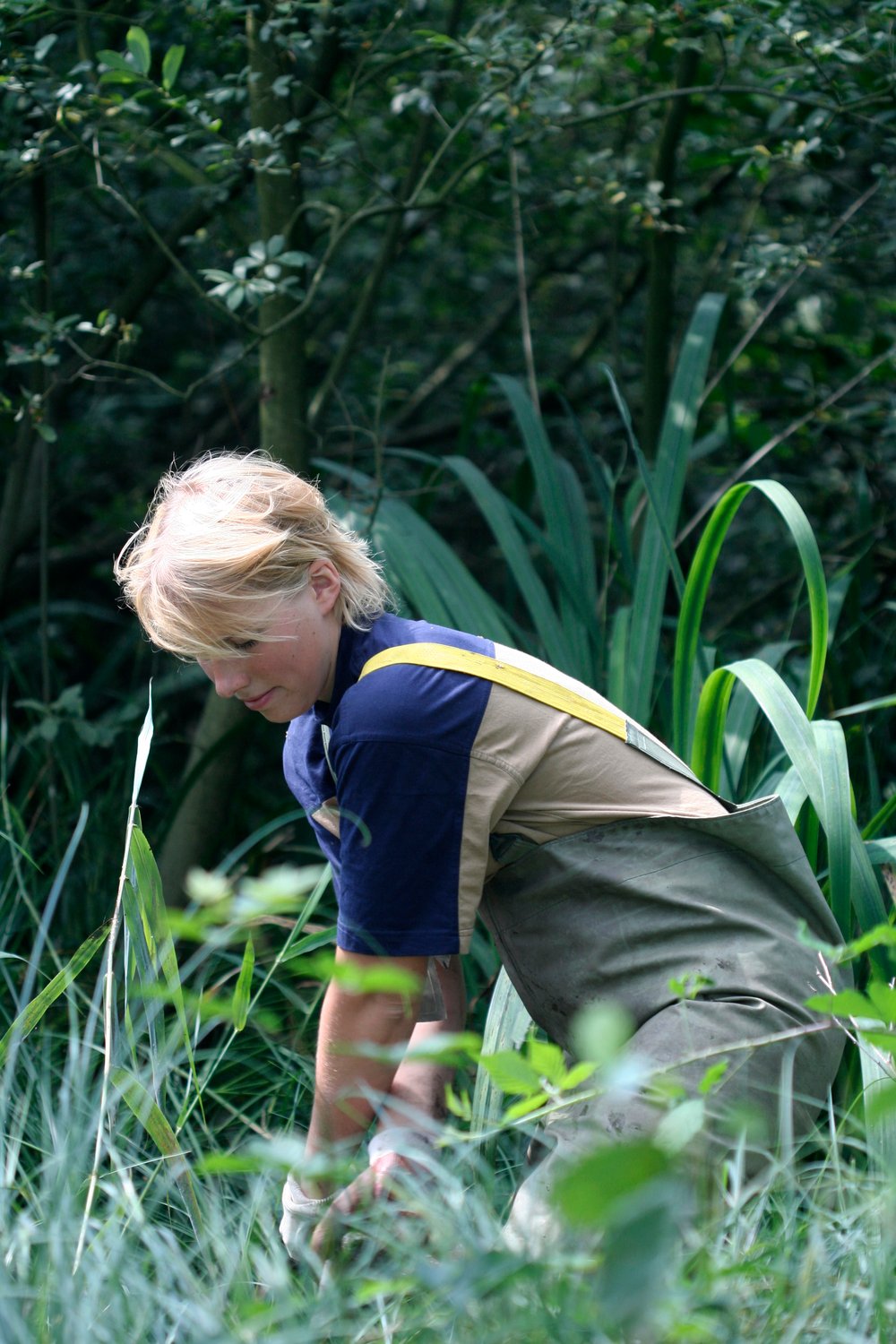
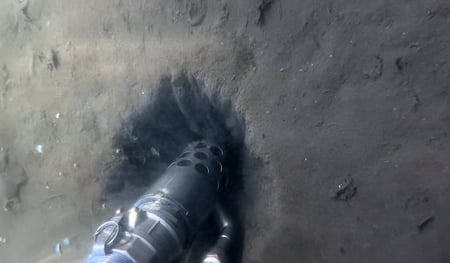
Diver-Assisted Suction Harvesting (D.A.S.H.) allows divers to hand-remove invasive species with precision, minimizing disturbance to native plants and sediments.
Mechanical Removal
Ideal for heavy biomass, invasive weeds, or sensitive areas. Our team uses harvesters and specialized equipment to physically remove nuisance vegetation without herbicides.
Comprehensive, science-driven plans
Each Management Program Includes:
Permitting
Monitoring
Custom strategies
Year-end reports
We work with decision makers to determine an appropriate management approach that takes in to account their individual goals and budgets, while preserving a healthy ecosystem and improving habitat. We conduct an analysis that considers all available options, prior to crafting the customized scope of services.
Educational Resources
Read the latest news and updates from our biologists.